 Races
Races
Why You Need It and How to Get It.
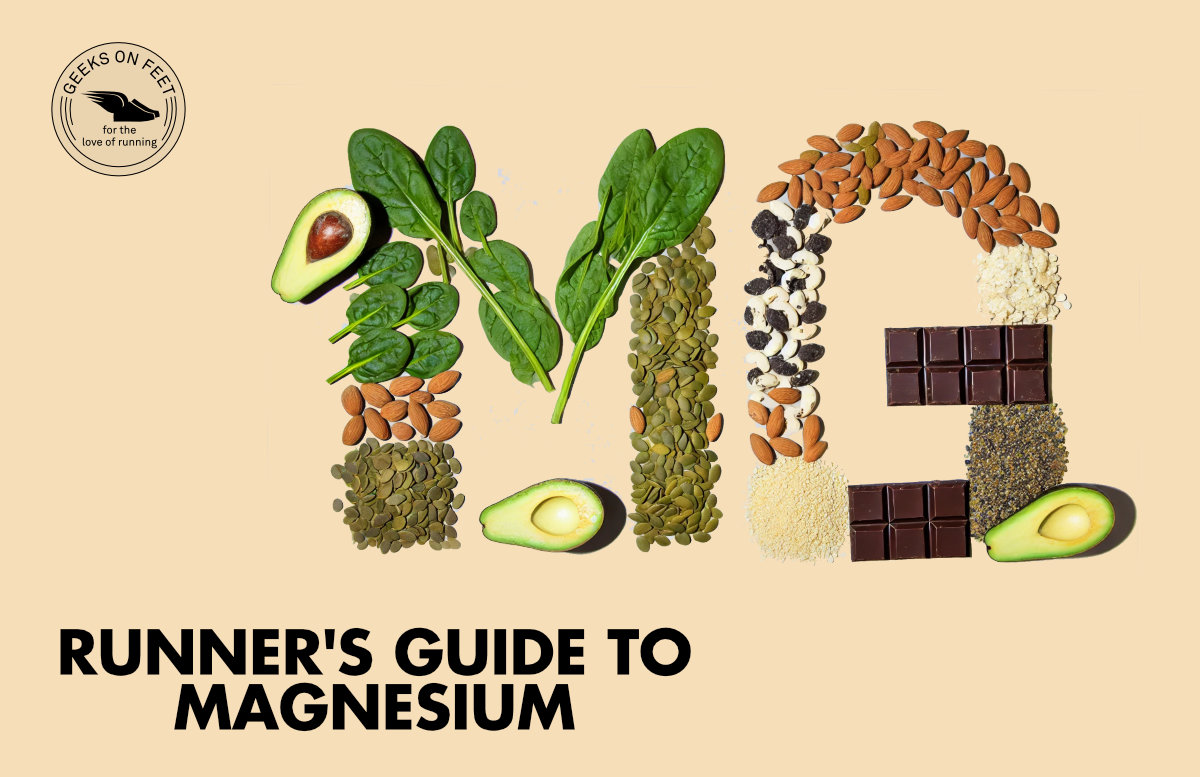
As runners, we talk much about carbohydrates, proteins, and electrolytes. But one mineral that often flies under the radar is magnesium— a nutrient crucial for muscle function, energy production, and recovery. For runners, a magnesium-rich diet is essential for avoiding cramps, improving endurance, and speeding up recovery, especially given the challenges of running in a hot, humid climate.
1. Supports Muscle Function Magnesium plays a key role in muscle contraction and relaxation. It helps prevent cramps and muscle fatigue, which are common complaints during long runs in the heat. For runners who experience muscle tightness or cramps, magnesium could be the missing link in your nutrition plan.
Apart from this, magnesium plays an important role in Vitamin D, and calcium absorption, hence aids in bone health.
2. Boosts Energy Levels Magnesium is involved in the process that converts food into energy. If your magnesium levels are low, you might feel more tired than usual during a run. Since long-distance running puts extra demand on your body’s energy systems, having enough magnesium ensures you don’t run out of steam early.
3. Aids in Recovery After a long run or race, ensuring you get enough magnesium will help you bounce back quicker, especially for runners who are training regularly in hot climates.
Even though magnesium is abundant in many foods, athletes, especially endurance runners, are often at a higher risk of deficiency. Here are some signs to watch for:
You don’t need supplements to hit your daily magnesium needs (320-420 mg per day for adults), but if you’re clocking serious mileage, it’s smart to pay attention to magnesium-rich foods. The good thing is that it’s abundant in several foods that are staples in the Indian diet. Here’s a list of magnesium-rich foods that can easily be incorporated into your daily meals:
Green leafy vegetables: Spinach (palak) and fenugreek leaves (methi) are excellent sources of magnesium. A bowl of palak dal or methi sabzi can easily boost your intake.
Nuts and seeds: Cashews (kaju), peanuts, and sesame seeds (til) are common in Indian kitchens. A handful of these as snacks or added to other dishes can help meet your magnesium needs.
Legumes and pulses: Lentils (dal), chickpeas (chana), and kidney beans (rajma) are also rich in magnesium. Incorporating dishes like dal tadka or chana masala will ensure you get a good dose.
Whole grains: Indian grains such as millets (bajra and ragi), whole wheat, and brown rice are great sources of magnesium. Bajra roti or ragi dosa are not only nutritious but also magnesium-packed.
Bananas: Bananas are commonly consumed in India and provide a quick magnesium boost. It’s an easy pre-run snack or can be added to a post-run smoothie.
Pro Tip:
Pair your magnesium-rich foods with those high in vitamin D, as it helps your body absorb the mineral more efficiently. Examples are fish or egg yolks — can maximize the benefits of magnesium. If vitamin D levels are low (common in many indians), magnesium uptake is less efficient.
Before using any supplement, consult a healthcare professional to ensure it’s the right choice based on your specific needs and dietary intake.
If you’re logging higher miles and not getting enough magnesium from your diet, you might benefit from supplements. Magnesium glycinate or magnesium citrate are often recommended for runners because they are more easily absorbed by the body. That said, too much magnesium can lead to stomach upset, so it’s best to start small and monitor your body’s response.
Pro Tip:
Best Time to Take magnesium supplementation is evening with meals to optimize absorption.
Pre-run Fuel: Consider a banana with a handful of peanuts or almonds for a magnesium-rich pre-run snack that will fuel your muscles.
Post-run Recovery: After a long run, Sipping on a magnesium-rich smoothie with banana, and almond butter post-run can aid in recovery and prevent muscle soreness. Include a bowl of palak dal with brown rice in your post run meal to replenish your magnesium stores and help with muscle recovery.
Regular Diet: Incorporate millets like bajra roti or ragi dosa into your weekly diet, not just for magnesium but also for a rich array of other nutrients.
To optimize magnesium levels before a race, consider this simple protocol to help reduce muscle cramps and boost energy:
3-5 Days Before the Race: Start increasing magnesium intake through food sources such as spinach, almonds, lentils, and bananas. If your diet alone isn’t providing enough, consider adding 200-400 mg of magnesium citrate or glycinate, which are more easily absorbed and gentle on the stomach.
Hydrate with Magnesium: Include magnesium as part of your electrolyte intake leading up to race day. Brands like Fast&Up Magnesio offer a simple effervescent option that includes other electrolytes for better balance.
Night Before the Race: A small dose of magnesium before bed can help calm your muscles and improve sleep quality, important for race-day readiness.
Race Day: Focus on a magnesium-rich breakfast with oats, bananas, or nuts, but avoid taking supplements directly before the race to prevent any potential stomach discomfort.
Magnesium is a critical but often overlooked nutrient that can significantly improve your running performance and recovery. With the abundance of magnesium-rich foods available in Indian cuisine, it’s easy to meet your daily needs by making smart dietary choices. Whether it’s a bowl of dal or a banana smoothie, adding a little more magnesium to your diet might just be the key to cramp-free, energized running.
Compiled by Team GeeksOnFeet for the love of running
We put substantial time and resources into bringing this content to India's running community. If you like what we do, consider chipping in — every bit helps keep the lights on.